Fed Policy
The Economy And The Stock Market
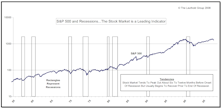
The stock market tends to peak out 6-12 months prior to recession but turns back up prior to the end of a recession.
Bulls May Have Christmas...

Bulls may indeed have Christmas, but fundamentals for bearish case in 2008 are extensive.
Rate Cuts Fanning The Commodity Flames

Fed rate cuts not reaching intended targets. Commodity groups caught fire after the initial August 17th cut and continue to be strong. Meanwhile financial institutions and consumer related groups continue to languish.
View From The North Country
Not only is October ‘National Pork Month’ in the U.S., it is the “Year of the Pig” in China. This brings to mind the old stock market homily “A Bull can make money and a Bear can make money, but Pigs are losers.”
Market Action After Last Fed Rate Increase

Study of stock market performance following last Fed interest rate hikes indicates no correlation to future stock performance. Investors expecting a big surge based on this being the last hike may be disappointed.
Inflation Watch

The Major inflation concerns are rising wages, low unemployment, a continued strong economy, and additional pass through of higher energy prices.
When Fed Tightening Ends...What Can Be Expected From The Stock Market?

Data from the last seven tightening cycles suggests that too way much attention is currently being given as to when the Fed will be finished tightening. The direction of the stock market after the last rate hike has much more to do with prevailing economic and stock market conditions.
Stock Market Performance After Fed Rate Hikes

Stock market performance over a variety of time frames after the rate hikes.
The Impact Of Increasing Interest Rates By The Fed

Historically, the first few increases do not have an adverse impact on the stock market on a longer term basis (6 to 12 months). However, stocks do tend to take a hit after the fourth or fifth rate hike on a 6 to 12 month time horizon.
The "Wait and See" Market

It now seems that the market has settled into a comfort zone— or put differently— a trading range that reflects investors’ current lack of conviction about prospects for the second half of the year.
Short Term Interest Rate Considerations

What might the Fed view as a neutral position? Assessing historical yardsticks for guidance.
View From The North Country

Kate Welling Interviews Steve Leuthold: The Leuthold Group’s commonsensical adherence to investment disciplines, thoughts on rising inflation, attractive investment opportunities, Iraq, the reliability of U.S. government calculated statistics and estimates, and an abundance of other topics along with engaging banter.
The Fed Brings A Wet Blanket To The New Year’s Party

Market sell off in response to slight modification in Fed policy statement was absurd. During any healthy recovering economy, interest rates will rise in response to the improvement.
A Half-Time Report

Economy will pick up steam in the second half, sustaining the already in progress earnings recovery. Also, Cyclical rally targets and equity leadership going into the second half.
View From The North Country
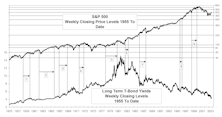
Stocks can go up, when interest rates go up. Rates are expected to rise over the second half of 2003, but stocks have proven they can go up in environment of rising rates.
Bond Market Summary
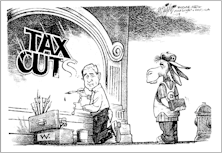
Is the Fed ready to buy Ten Year Treasuries, if necessary to stimulate the economy? This could certainly lead to another housing/refi boom, but will it be the catalyst to boost business spending/borrowing? We think not.
Buying Opportunity At Hand

Buying opportunity at hand. Stock market professionals should be anticipating, not reacting. Today, I view current market malaise as a potentially outstanding buying opportunity.
Eight Weeks Up....Now What?

Assessing Market Risk. We see minor or minimal risk from the economy, inflation, and earnings. But, terrorist attacks and valuations could be more significant risk. Iraq is a moderate short term risk.
Is This A Bear Market?

Is this a bear market? It certainly is a bear market in integrity! Steve presents the case for both Bears and Bulls.
View From The North Country
In today’s environment, portfolio managers are forced to sell best stocks, as style police enforce tighter restrictions. Also, why a Fed Funds rate below 3% is bad for the economy.
Perception for the Professional
March 2026 Issue

Featured Articles
Sector Navigator
March 2026 Issue