Gold
Anatomy Of An Easing Cycle
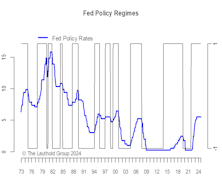
The economy normally fades heading into a series of rate cuts, with higher unemployment and lessening CPI inflation. Risky assets (stocks and credit) do well, and bond yields move lower. Real assets also benefit (gold in particular). On the whole, an easing cycle is favorable for most assets.
Golden Intrigues
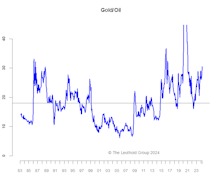
Chinese investors have flocked to gold as traditional investments have massively disappointed. Global central banks are also buying gold amid heightened geopolitical tension. Both trends help explain why gold has defied the gravitational pull of a stronger dollar and higher real yields.
Gold: Not As Shiny

In mid-July, we sold our tactical portfolios’ small (2%-ish) position in physical gold ETFs. That holding had been built up from 2018 to 2020 to around 5.5% of the portfolio, then pared in early 2022 when Russia invaded Ukraine. That doesn’t mean we’re gold bears.
Stocks Versus “Safe Havens”
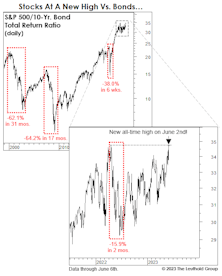
While we aren’t clamoring to add long-term Treasuries in tactical accounts, we believe that the past 18-months’ action has left them more attractive versus stocks than during most of the last 15 years. However, compared to gold, the S&P 500 still trails on a total return basis measured back to Y2K.
Three Themes To Watch—An Update
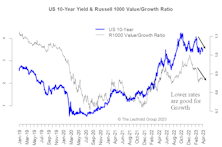
The Value/Growth dynamic seemed to indicate a return to the “lower rates are good for Growth stocks” regime. China reopening is still alive and well, despite a recent pause. The GSCI Industrial Metals/Gold ratio has broken below its recent range, which bodes ill for inflation expectations going forward.
Can Santa Cap-Off A Stellar Year?
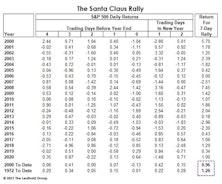
The S&P 500 is flirting with new all-time highs, and the news gets even better for followers of seasonal patterns: The Santa Claus rally has yet to officially begin!
Gold: Still A Useful Dollar Hedge
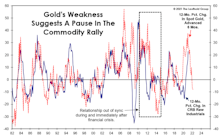
A stronger U.S. dollar is “supposed” to be bearish for commodities, but it’s been a banner year for most commodities with gold among the few that are down on the year. However, keep in mind that gold tends to be a harbinger of major moves in industrial commodities, with a lead time of about six months—and its year-over-year change is now negative.
Golden Milestone
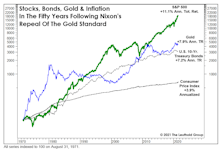
Fifty years ago this month, Richard Nixon formally suspended the convertibility of U.S. dollars into gold. Editorials commemorating this have tended to have a celebratory tone, and why not? Abandoning the gold standard greatly expanded the arsenals and imaginations of policymakers, both of which have been on historic display over the last 18 months.
How To Value Gold
July’s surge drove the yellow metal to the brink of its overvaluation threshold, where only 150 ounces of gold are required to buy the median-priced existing home (currently about $299,000). Impressively, gold made all but the last month of this move without attracting mainstream attention.
Commodity Comeback?
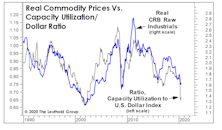
Many analysts thought the last cycle would end with a bit of “fire” in the form of higher commodity and consumer prices, and they might well argue they would have been right if not for the eruption of COVID-19.
How Much For Your “Free Lunch?”
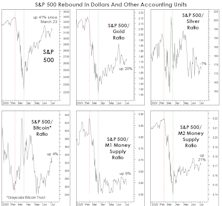
The 41% S&P 500 rally would be half as large if measured in terms of gold, and a “unit” of the S&P 500 now buys 70% fewer ounces of gold than it did in early 2000. Meanwhile, when denominated in either silver or Bitcoin, the stock market rally has been almost nonexistent.
Keep An Eye On What Your Stocks Will Buy
.jpg?fit=fillmax&w=222&bg=FFFFFF)
News that the Bureau of Labor Statistics may have undercounted the May unemployment rate by six percentage points should remind investors of the danger of taking government economic reports too seriously. Regardless of the figure, though, unemployment is no doubt near its peak for the downturn.
The Commodity Bull That Equity Investors Missed...
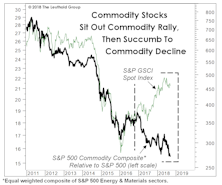
While the bottom-line impact may ultimately be the same, there’s one thing we find more demoralizing than getting the direction of an asset wrong: getting the direction right and not getting paid for it.
Commodities: More To Come?
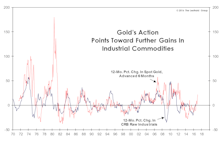
Commodities have enjoyed a strong year thus far, and the GS Scores on the Materials sector have followed suit (albeit with a slight lag), as highlighted in June’s “Of Special Interest” section.
Core & Global Portfolios Equity Exposure Maintained In December
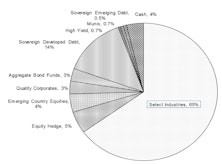
The Major Trend Index remains positive and net exposure in both portfolios is 64%. For all of 2013, our average net equity exposure was 60% in each portfolio.
Buy The Bridesmaid, Not The One Looking To Rebound
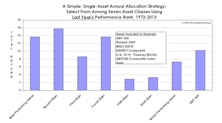
The investment leadership of a given year has historically had better-than-even odds of outperforming in the following year at both the asset class and equity sector levels.
Commodities In 2014: Supply Remains A Concern
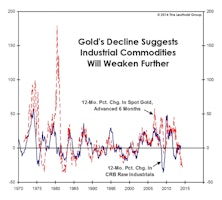
While gold garnered most of the headlines last year (down 27%), commodities performed badly across the board in 2013. We expect more of the same in 2014.
No “Pop,” Just A “Hiss”…
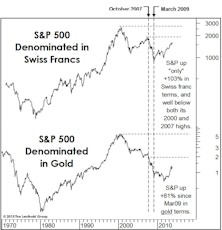
In the 1970s, a cassette tape manufacturer asked listeners, “Is it live, or is it Memorex?” Forty years later, watchers of the stock market “tape” find themselves asking, “Is it real, or is it QE?”
A New Leg In The Commodity Decline?
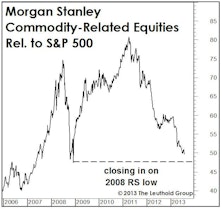
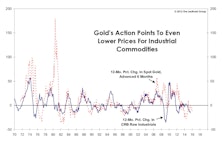
For more than two years we’ve discussed the supply-side risks to commodity producers stemming from capacity built during the manic “Third Act” of last decade’s Three Act Play in commodities. Commodity-oriented equities have indeed underperformed since 2011, but to date, most pundits have laid blame squarely on the demand side.
Perception for the Professional
March 2026 Issue

Featured Articles
Sector Navigator
March 2026 Issue